
Services
Eyecare Services in Tampa
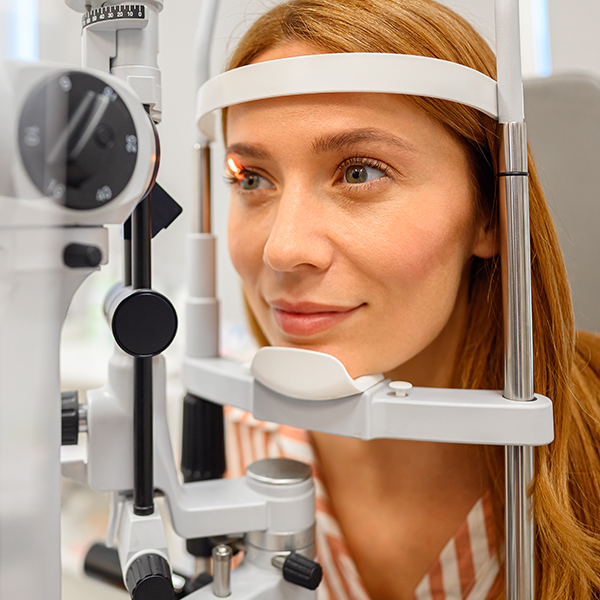
Comprehensive Eye Exam
On average, we recommend scheduling an appointment once every two years to ensure your eyes are remaining healthy. If you have been diagnosed with an eye condition, however, we recommend scheduling an appointment once or twice a year, depending on the severity. During your appointment, we will review your patient history, visual acuity, perform preliminary tests, and evaluate your eyes’ overall health.remain
Learn More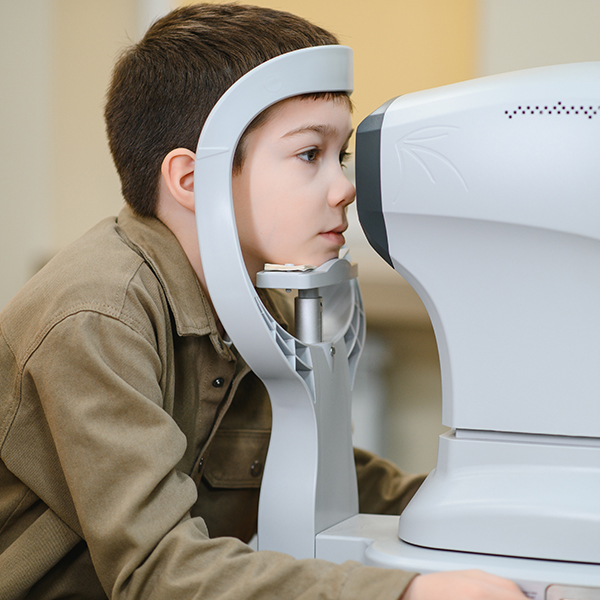
Pediatric Eye Exams
Here at Britton Vision, we are proud to offer pediatric eye examinations. Children should have their first eye exam around the age of six months. If the first exam finds that their eyes are healthy, they won’t need another appointment until they are between the ages, of two and three. Although many schools offer annual eye exams, they are not complete visual exams and the results can be inaccurate. For this reason, you should schedule yearly or bi-yearly examinations to ensure that your child’s eyes are healthy and that he or she can see clearly.
Learn More
Neurolens (Do you have Headaches or Eye Strain?)
Newton™, formerly Neurolens®, is the first and only prescription lenses that include an element of contoured prism in their design. This prism is designed to bring the patient’s eyes into more equal alignment, and this should help to provide relief from the symptoms that are associated with several eye misalignment conditions, including digital eye strain and binocular vision dysfunction.
Learn More
Myopia Control
Nearsightedness, known as myopia, makes it difficult to see objects from afar. If you are experiencing nearsightedness, corrective lenses such as glasses or contact lenses will be prescribed. After a thorough examination, we will determine the prescription that’s best for you.
Learn More
Dry Eye Treatment
Britton Vision is proud to offer dry eye treatment for our patients. Ocular Surface Disease, also known as dry eye, can occur from certain medications, naturally by aging, or as a symptom arising from systemic diseases such as Sjogren's syndrome, Rheumatoid arthritis, or Lupus. If you have a minor case of dry eye, you may be experiencing irritation, excessive tearing, fluctuating vision, and/or a burning sensation in your eyes. Excessive dry eyes, or dry eye symptoms that go untreated, have the potential to damage eye tissue, scar your corneas, and impair your vision.
Learn More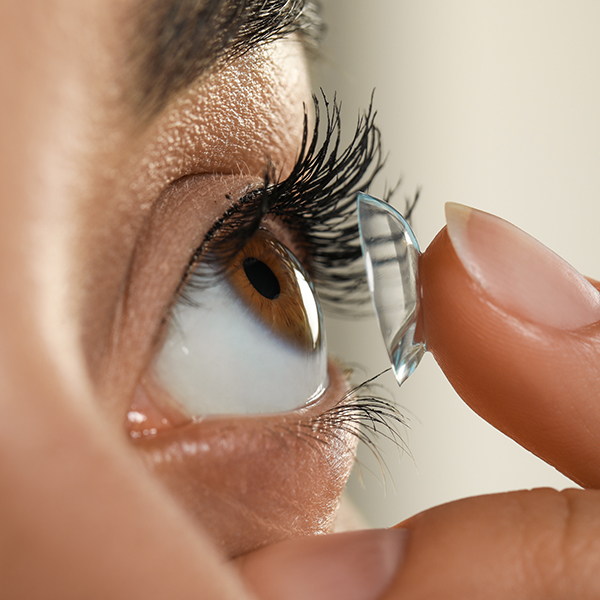
Contact Lenses
Nowadays, most people prefer to wear contacts instead of glasses. If you are interested in contact lenses, please let your eye doctor know prior to your appointment. During your exam, we will discuss the various contact lenses available and determine the best option based on your individual needs and lifestyle.
Learn More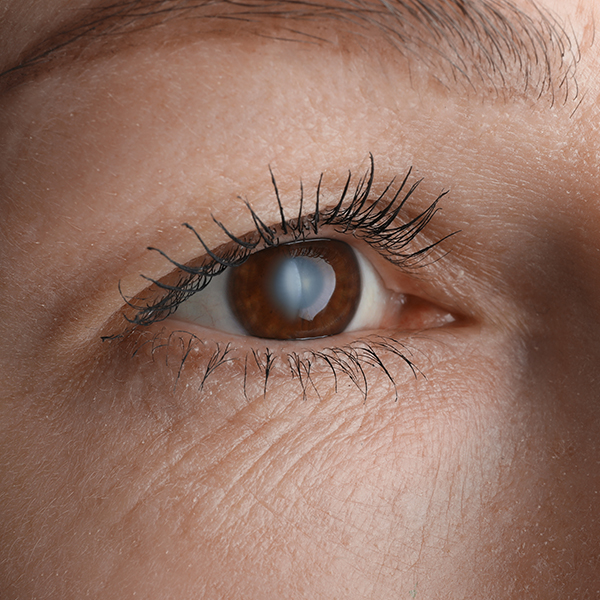
Cataracts
Cataracts cause a clouding of the lens in the eye, making your vision appear to be foggy. Cataracts are the most common cause of vision loss in people over 40 and are the leading cause of blindness in the world.
Your eyes are meant to naturally adjust to normal light changes, adjust focus, and allow you to see both near and far. Your lens is primarily made up of water and proteins. The proper arrangement of these proteins is what contributes to normal vision. Some of these proteins clump together, forming a clouding of the lens.

Computer Vision
Computer Vision is a relatively new term within the optometry field and refers to eye problems associated with the prolonged use of computers and electronics that utilize a digital screen. Although it can be temporary, there are times when computer vision can strain the eyes to a degree that permanently affects your vision as well. An existing eye condition can worsen as the eyes try to focus and adjust to a computer screen, and precautions should be taken if you spend long hours in front of a computer screen.
If you have been experiencing blurry vision, dry eyes, eye strain, headaches, neck or back pain, try adjusting the lighting, posture, and the distance in front of your computer screen. If computer vision symptoms persist, call us to request an appointment, and we will perform a full evaluation.
Diabetic Eye Care
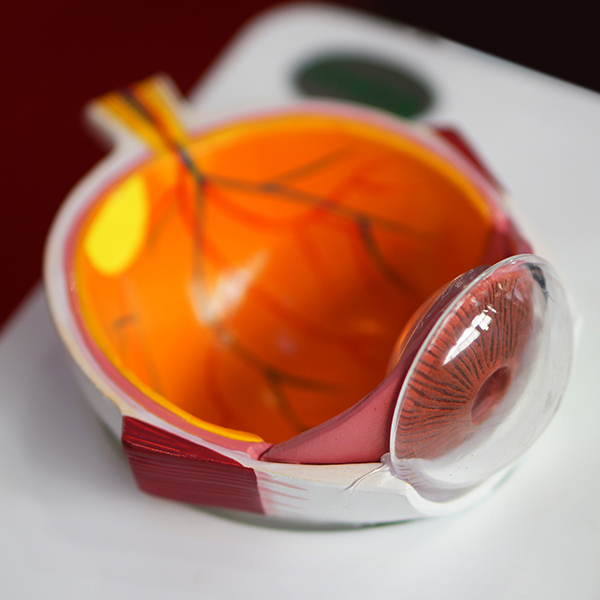
Diabetes can affect more than just your blood sugar. It can also do some damage to your eyes if you are not careful.
Diabetic eye disease can cause vision loss if you are not careful. It can cause you to have trouble with everyday tasks, even if you have regular glasses or contacts. It can even cause blindness.
Glaucoma
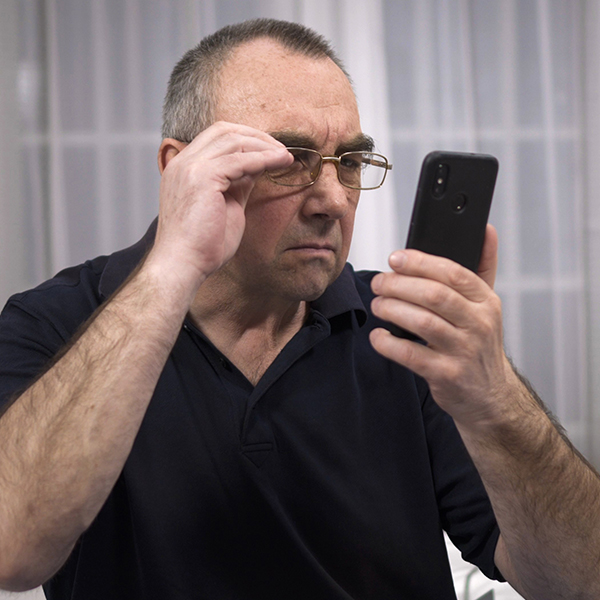
Glaucoma occurs from damage to the eye’s optic nerve and can often lead to loss of vision and blindness. To detect glaucoma, our highly trained doctors will perform a proper screening to determine severity, examine the damage, and help you manage your glaucoma.
Early detection of glaucoma is crucial in preventing vision loss and blindness; the earlier the better. However, there is no official cure for glaucoma. There are several treatment methods that manage, slow down, or halt the process. Treatment for glaucoma will vary depending on the stage and severity of each individual patient.
Digital Retina Imaging
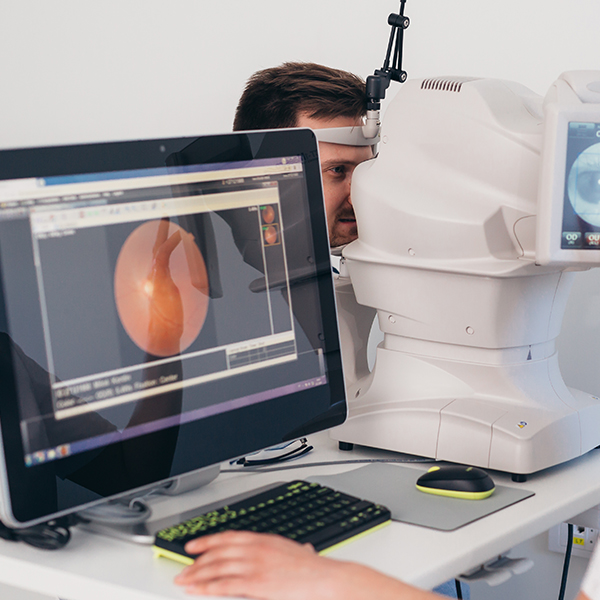
Using a digital camera system, our optometrists at Britton Vision can clearly see and examine your retina, located at the back of your eye. This examination is critical to monitoring the health of your eye as well as to the early detection of many medical problems. The pictures generated through retinal imaging help us identify problems with your vision and can also help diagnose other medical conditions, such as high blood pressure, diabetes, cholesterol, or even brain tumors.
Digital retinal imaging is important because, often, vision or eye problems can develop with no clear symptoms. Subtle changes in your vision can be hard to detect, and diseases such as macular degeneration, glaucoma, or retinal tears may only be visible through these images. Even in healthy eyes, retinal imaging is important as it allows us to track changes in your eyes over time so we can better predict and prepare for common issues that affect eyes as they age.

Hyperopia
Farsightedness, known as hyperopia, makes it difficult to see objects close by. If you are experiencing farsightedness, corrective lenses such as glasses or contact lenses will be prescribed. After a thorough examination, we will determine the prescription that’s best for you.
Optometric Aesthetics
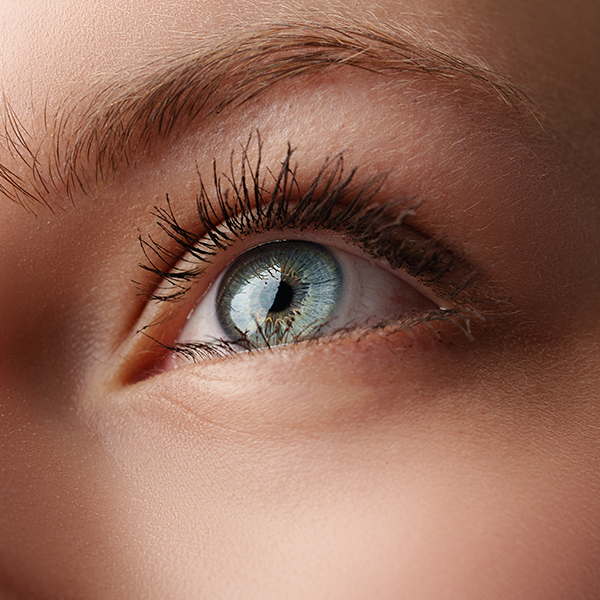
We all want to look our best, and in the last decade, we have seen a significant increase in the number of people seeking cosmetic services in order to enhance their appearance. With our eyes being our most distinguishing feature, we want to make the most of them. Thankfully, there is now a range of cosmetic services that can help to rejuvenate our eyes and the area around them to keep them fresh, young, and wrinkle-free.

Presbyopia
Presbyopia is a natural and inevitable part of aging that affects the eyes' ability to focus on close objects. Unlike other vision conditions, presbyopia isn’t caused by the shape of the eye or structural abnormalities but is instead a result of the eye’s lens losing its flexibility over time.
Learn More© 2026 Britton Vision. All rights Reserved - Accessibility Statement - Privacy Policy - Sitemap
Managed and Designed by 